





Why Retinal Imaging Is Essential for Diabetic Patients
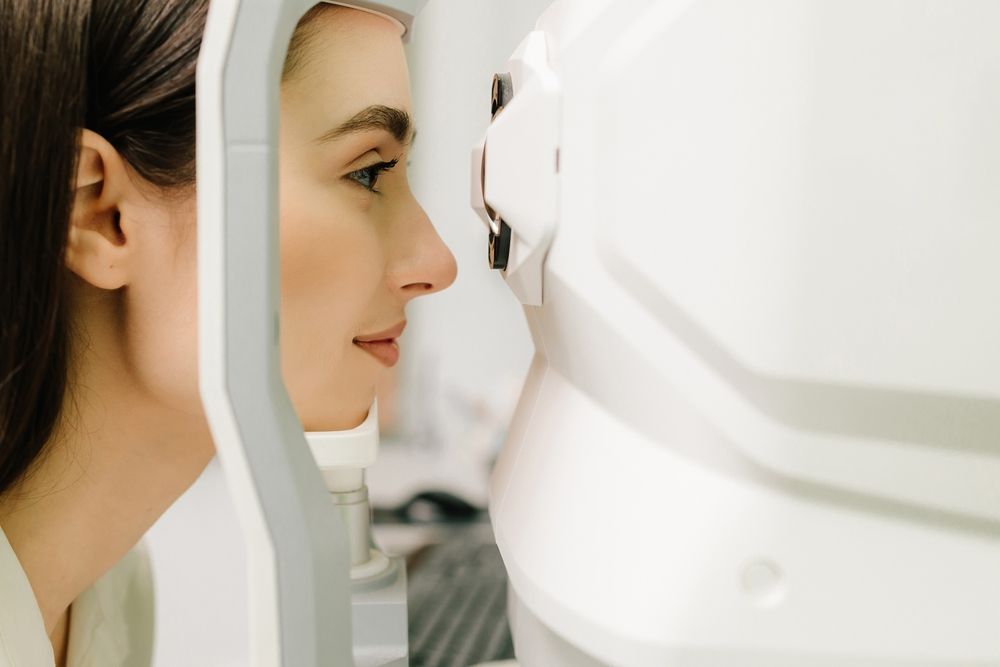
Living with diabetes means paying close attention to your overall health - but one area that is often overlooked is your vision. Diabetes doesn’t just affect blood sugar levels; it can have serious consequences for your eyes, sometimes without any early warning signs. At Visual Health Doctors of Optometry, we emphasize proactive, preventive care. Retinal imaging plays a critical role in detecting changes early, protecting your vision, and supporting your long-term health.
The Link Between Diabetes and Eye Health
Diabetes can damage the tiny blood vessels throughout the body- including those in the retina, the light-sensitive tissue at the back of the eye. Over time, high blood sugar levels can weaken or block these vessels, leading to conditions such as:
- Diabetic retinopathy
- Diabetic macular edema
- Increased risk of glaucoma
- Higher likelihood of cataracts
Among these, diabetic retinopathy is one of the leading causes of vision loss in adults. The most concerning part? It often develops without noticeable symptoms in its early stages.
What Is Retinal Imaging?
Retinal imaging uses advanced digital technology to capture highly detailed images of the back of your eye. Unlike a standard visual acuity test that checks how clearly you can see, retinal imaging allows your optometrist to examine the retina, optic nerve, and blood vessels closely.
These high-resolution images provide a permanent record of your eye health. They allow your doctor to:
- Detect early signs of diabetic retinopathy
- Monitor subtle changes over time
- Identify swelling, bleeding, or abnormal vessel growth
- Track the effectiveness of treatment or blood sugar management
Because diabetes-related eye damage can progress silently, having this level of detail is essential.
Early Detection Can Prevent Vision Loss
One of the most powerful benefits of retinal imaging is early detection. Diabetic eye disease often begins before patients notice blurred vision, floaters, or dark spots. By the time symptoms appear, the condition may already be advanced.
When caught early, many diabetic eye conditions can be managed successfully. Timely intervention may include:
- Improved blood sugar control
- Medication
- Referral to a retinal specialist
- Laser therapy or other procedures
The earlier these issues are identified, the better the chances of preserving vision.
Monitoring Changes Over Time
Diabetes is a lifelong condition, and eye health can change gradually. Retinal imaging allows your optometrist to compare images year after year, identifying even the smallest changes in your retinal blood vessels.
This ongoing monitoring is especially important because:
- Diabetic retinopathy can worsen even if your vision seems stable.
- Small changes can signal the need for adjustments in your diabetes management.
- Progression can be slowed with early medical intervention.
Having a clear visual record helps ensure that nothing is missed.
How Often Should Diabetic Patients Have Retinal Imaging?
Most diabetic patients should have a comprehensive eye exam at least once a year. However, your optometrist may recommend more frequent visits depending on:
- The type of diabetes you have
- How long you’ve had it
- Your blood sugar control
- Whether retinal changes are already present
Following your personalized exam schedule is critical to protecting your sight.
Schedule Your Diabetic Eye Exam Today
Diabetes can affect your eyes long before you notice any symptoms. Retinal imaging is a powerful, non-invasive tool that allows for early detection, precise monitoring, and proactive treatment of diabetic eye disease. By identifying problems before vision is compromised, retinal imaging plays a vital role in preserving long-term eye health.
If you are living with diabetes, don’t wait for vision changes to take action. The team at Visual Health Doctors of Optometry is here to provide diabetic eye care using advanced retinal imaging technology. Visit any of our offices in Alexandria, Arlington, Ashburn, Burke, Fairfax, Falls Church, Herndon, or Woodbridge, Virginia. Contact a location nearest you, or book an appointment on our website today.



© 2026 Visual Health Doctors of Optometry.
Eye Doctor & Optometrist in Alexandria, VA, Arlington, VA, Ashburn, VA, Burke, VA, Fairfax, VA, Falls Church VA, Herndon, VA, Mclean, VA, Reston, VA & Woodbridge, VA
Eye Doctor & Optometrist in Alexandria, VA, Arlington, VA, Ashburn, VA, Burke, VA, Fairfax, VA, Falls Church VA, Herndon, VA, Mclean, VA, Reston, VA & Woodbridge, VA
Powered by: 