




Blog list
Visual Health Doctors of Optometry Blog
Learn more about optometrist care in our blog!
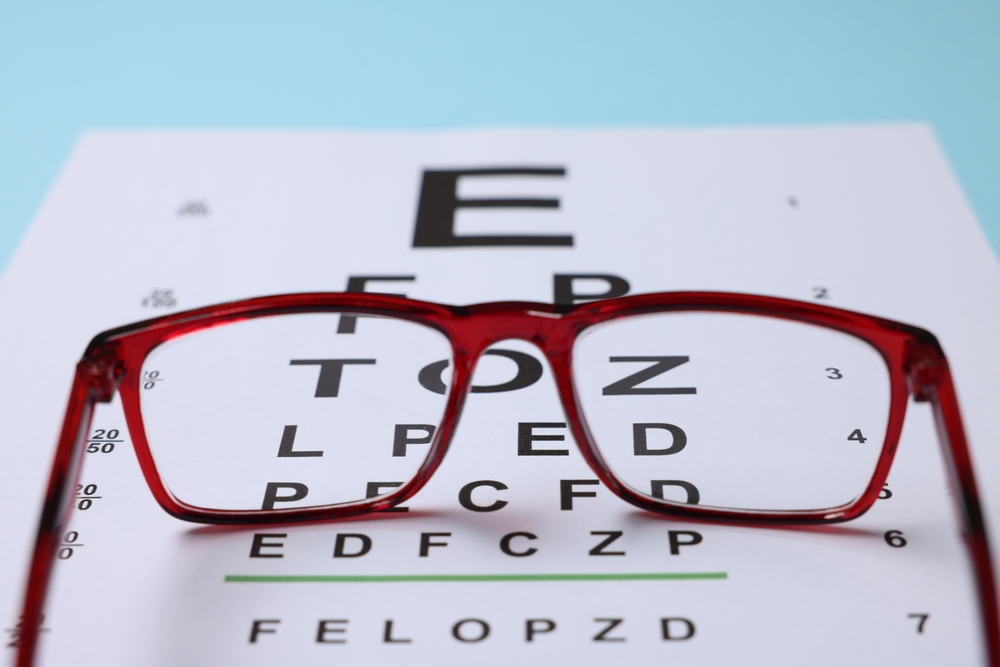
Your vision can change gradually, making it easy to overlook the signs that your glasses or contact lens prescription is no longer meeting your needs. You may still see well enough to complete daily tasks, but small changes can increase eye strain, reduce visual comfort, and make activities such as reading or driving more difficult.

Virginia summers are known for heat, humidity, pollen, and heavy air conditioning. Even when the air feels moist outside, many patients still deal with chronic summer dry eye, especially after long days indoors, time on screens, or exposure to allergens. For patients in Herndon and throughout Northern Virginia, dry eye symptoms can become frustrating when artificial tears only provide short-term relief.

From Northern Virginia offices to growing tech hubs across Fairfax, Ashburn, Reston, Arlington, and surrounding communities, more people are spending long hours on laptops, monitors, tablets, and phones. While digital work is convenient, it can also place steady stress on the eyes.

Many people think about UV protection only on bright summer days, but ultraviolet rays can affect your eyes throughout the year. In Northern Virginia, UV exposure can come from direct sunlight, reflected light, cloudy skies, and time spent driving or walking outdoors.

Screen time is part of daily life for many people in Northern Virginia. Whether you work on a computer, switch between multiple devices, or spend hours on video calls, the right computer glasses can make everyday screen use more comfortable. At Visual Health Doctors of Optometry, we help patients choose lenses that support clearer, more relaxed vision throughout the day.
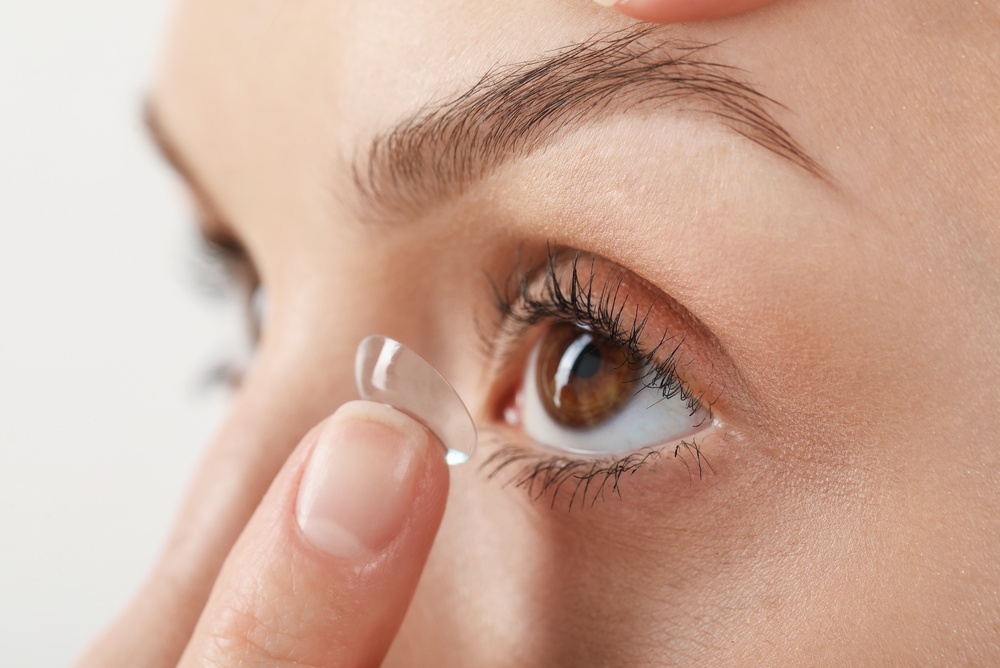
Choosing between daily and monthly contact lenses depends on your vision needs, lifestyle, and eye health. At Visual Health Doctors of Optometry, patients throughout Northern Virginia can get personalized guidance during a contact lens exam to determine which replacement schedule fits best.
Living with diabetes means paying close attention to your overall health - but one area that is often overlooked is your vision. Diabetes doesn’t just affect blood sugar levels; it can have serious consequences for your eyes, sometimes without any early warning signs.
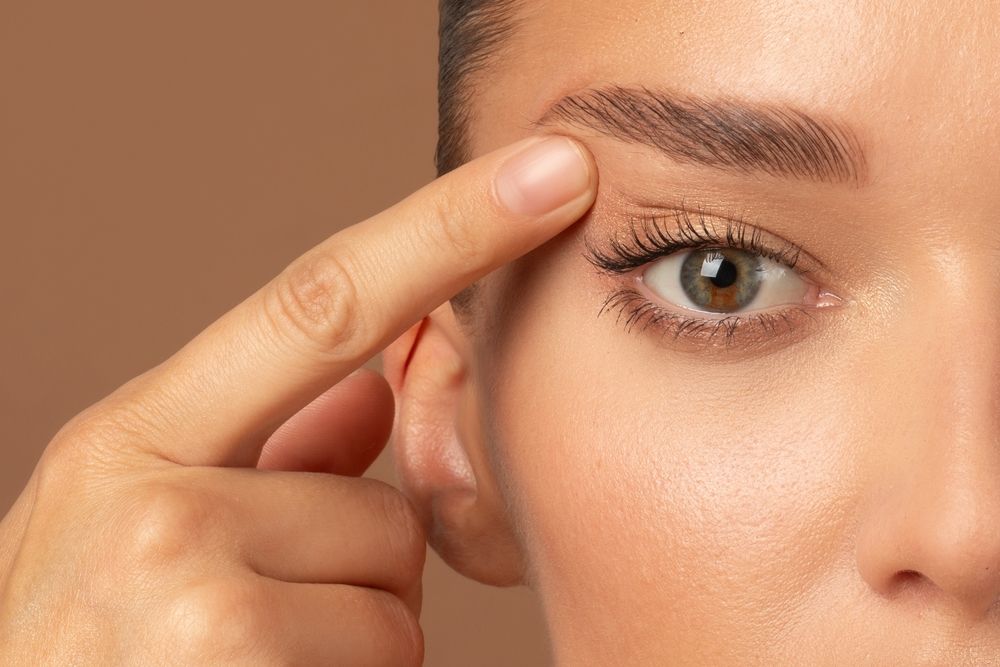
Maintaining healthy eyes requires more than clear vision - it involves proactive care and healthy daily habits. From screen use and nutrition to UV protection and routine eye exams, the choices you make each day can influence your overall eye health.
Dry eye is one of the most common eye conditions, yet it’s also one of the most misunderstood. Many people live with ongoing irritation, blurry vision, or burning eyes because they believe common myths about dry eye that simply aren’t true.
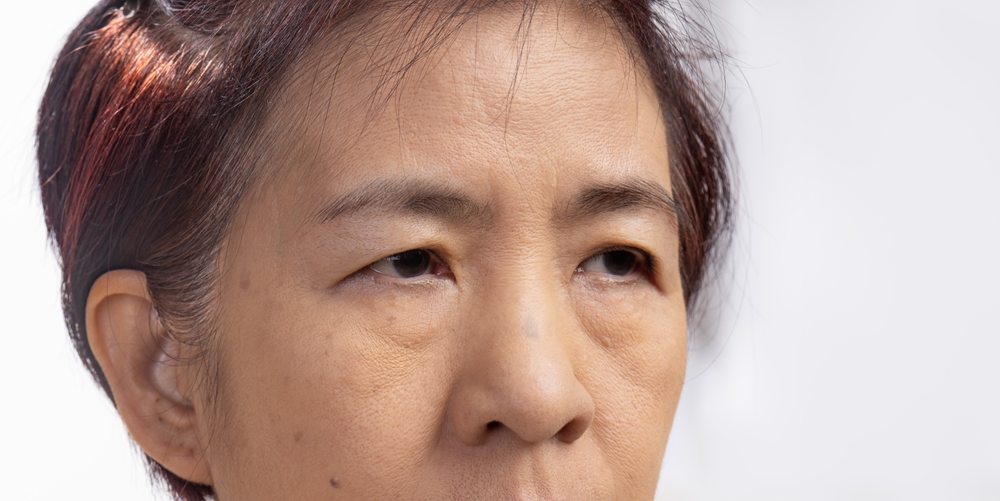
As you get older, your eyes undergo natural changes. Some of these changes are normal parts of aging, while others may signal the development of eye conditions that require professional care. Understanding how your eyes change with age can help you take steps to preserve your vision and maintain healthy eyes for life.


© 2026 Visual Health Doctors of Optometry.
Eye Doctor & Optometrist in Alexandria, VA, Arlington, VA, Ashburn, VA, Burke, VA, Fairfax, VA, Falls Church VA, Herndon, VA, Mclean, VA, Reston, VA & Woodbridge, VA
Eye Doctor & Optometrist in Alexandria, VA, Arlington, VA, Ashburn, VA, Burke, VA, Fairfax, VA, Falls Church VA, Herndon, VA, Mclean, VA, Reston, VA & Woodbridge, VA
Powered by: 